Planter Materials: Which to Choose for Your Planting Needs
Give your plants the right home.
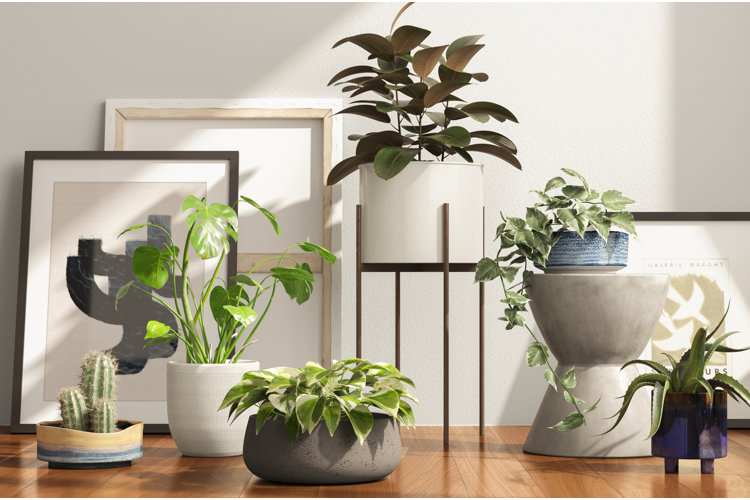
The right kind of planter materials should fit your needs as well as your plants’. Whether you want to create a container garden using patio planters or find a long-term home for your beloved houseplants, there’s several factors to consider in your decision. Discover the different types of planters available and which work best for your needs by reading our guide.
Types of Planter Materials
How to Choose the Right Planter Material
Tips for Preparing Your Planters for Healthy Plants
Types of Planter Materials
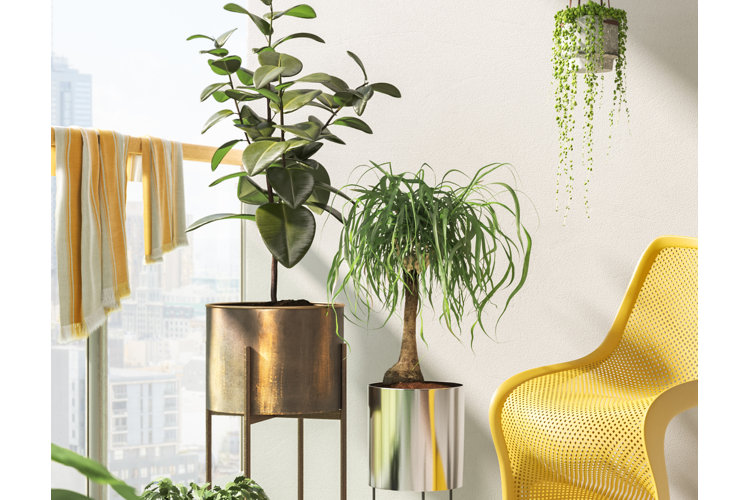
Check out these types of planter materials and their specifications so you can make a well-informed decision about your next planter purchase.
Clay + Terracotta
Pros:
- Terracotta has a porous makeup which allows air to get through to plant roots while also helping water drain out. This makes it a great option for plants that need good drainage like succulents or cacti.
- Being a readily available resource, pots made of clay like terracotta are widely available and more affordable options than other types of materials.
- You can place terracotta planters both indoors and outdoors and use them for a variety of plants like houseplants, flowers, vegetable plants, or dwarf fruit trees.
Cons:
- The porousness of terracotta means soil may dry out quicker, causing you to water more often.
- Terracotta planters can crack or break overtime if exposed to cold temperatures. However, you can easily remedy this by bringing your terracotta planters indoors during colder months.
Ceramic
Pros:
- Glazed ceramic planters retain water better, keeping the soil moist for longer. This makes them work well for plants like ferns or pothos.
- Ceramic planters can take on a variety of different shapes and patterns so you can easily find one that fits your design preferences.
Cons:
- Ceramic planters tend to be heavier than other materials, which means more heavy-lifting to move large ceramic planters.
- Ceramic planters can chip or crack due to changes in temperature. To reduce the possibility of chips or cracks, move your ceramic planters indoors during winter.
Concrete
Pros:
- Concrete is a strong, long-lasting material used in construction, making it an equally durable option for planters.
- It can take on different shapes and sizes so you don’t have to compromise on design.
- Concrete planters work well for all types of plants as long as you seal them using a concrete seal before planting. This is because concrete naturally absorbs important nutrients from the soil which reduces the soil’s acidity (making it alkaline). For the best results, use concrete planters for succulents as they do well with alkaline soil.
Cons:
- Concrete planters are heavy, which makes them preferable for windy areas, but not so much when you want to revamp your container garden.
- You may need to move concrete planters inside when temperatures go below freezing to prevent cracking.
Stone
Pros:
- Stone planters work great for both indoor or outdoor use and you can grow a wide variety of plants in them. However, alpine succulents and cacti take especially well to limestone planters.
- Because of the wide varieties of stone like marble, granite, limestone, and slate you can achieve a variety of different looks.
- Stone planters are extremely durable and their natural heaviness makes them useful for outdoor areas.
Cons:
- Stone’s heavy nature makes it a challenge to move or reposition.
- Stone planters don’t have the ability to take on bold colors, but they work nicely if you want a neutral backdrop for pops of colorful flowers or foliage.
Wood
Pros:
- Wood keeps in moisture which makes it great for keeping your plants from drying up.
- You can use wood containers to grow just about anything you want from bush tomatoes to strawberries, to herbs, or flowers.
- Wood brings an added touch of nature to your home and blends with outdoor elements.
Cons:
- Wood can rot overtime due to exposure to water. You can prolong the lifespan of these planters by adding a plastic lining or keeping them indoors.
Metal
Pros:
- Metal planters are strong and durable making them a good option if you want a long-lasting planter.
- Metal planters offer an industrial look which works well to create a sleek, refined aesthetic to your home or outdoor space.
Cons:
- Metal rusts overtime, especially with exposure to water and weather conditions. You may consider it an added bonus because rusted metal has a unique look to it. However, if you want to preserve your metal planter’s appearance, look for those made of aluminum because they’re rust-resistant.
- Metal easily heats up which could potentially burn your plants and dry out soil faster. Remedy this by adding a fabric lining before you fill in your soil.
Plastic
Pros:
- Plastic planters are typically more affordable than other types of planters.
- They’re light-weight so you can easily position them for planting.
- They can take on a variety of different designs, shapes, and colors so you can get bold shades of orange, green, or yellow, or achieve the look of natural materials like terracotta, wood, or even stone.
- They work well for all types of plants as they retain moisture. However, certain mediterrainian herbs like thyme, rosemary, or oregano may prefer terracotta or clay planters as they prefer dryer conditions.
Cons:
- Depending on the quality of the plastic used, plastic planters may crack or break. Look for plastic planters made with high-quality resin for the best results.
Review these steps to help narrow down your search for the best planter materials for your plants and uses.
1. Consider how long you want your planter to last.
If you want planters that can last you through multiple years of planting and repotting, terracotta can last a few years or more with the right care. Stronger materials like stone and concrete can last even longer. However, if you’re trying out a seasonal container garden for your apartment balcony or backyard patio, you may not mind going with plastic planters.
2. Determine the types of plants you want to grow.
With the right maintenance and upkeep you can keep your plants thriving, but the right container can also help. For example, your summer vegetable garden may benefit more from plastic planters instead of terracotta because plastic keeps the moisture in whereas terracotta dries out easily. If you want the look of terracotta you can use plastic planters with red-orange coloring. In contrast, a string of pearls plant can thrive in a small ceramic planter.
3. Decide if you want a planter for indoor or outdoor use.
While any type of planter can work inside your home, outside is different. However, with cold-weather-ready solutions, you can ensure that planters stay safe and intact, whether it be terracotta, concrete, wood, or stone. With wood planters, consider applying a water-proof seal before planting to prolong its lifespan.
For crackable planters like terracotta, ceramics, or stone, move empty planters indoors if you can and place planters that contain plants you want to overwinter (like perennial herbs or flowers), against the outside of your home. This gives them a bit more protection from the elements. Then, place a waterproof tarp over them to limit exposure to rain or snow. Be sure to read product descriptions to ensure planters are suitable for outdoor use.
4. Think about which planters echo your home aesthetic.
Metal, terracotta, and wooden planters can complement a modern farmhouse aesthetic, while mid-century, minimalist, and scandinavian aesthetics work well with glossy ceramic or smooth stone.
5. Narrow your search by deciding on a comfortable pricepoint.
Plastic and terracotta planters will be more affordable although they may not last as long. Whereas, stone, metal, and concrete planters cost more but can last longer. You can also look at customer reviews to determine which products to consider within your price point.
Pro Tip:
On AllModern product pages, customer reviews are located beneath the product name to the right of the five-star icon. Once you click the reviews tab you can view written customer reviews and pictures for inspiration in your own home.
Tips for Preparing Your Planters for Healthy Plants
Once you find the right planter materials, there are still a few steps to take in order to make sure your plants stay happy and healthy.
Add drainage holes.
It’s essential to add drainage holes to your planters regardless of whether you have plants that love water like ferns or ivy, or plants that prefer to dry up completely before rewatering like succulents. Some planters come equipped with built in drainage holes or self-watering systems. If not, you can add drainage holes easily by drilling holes in the bottom, but be sure to add pressure gently to prevent cracking.
Select agreeable soil.
Potting soil is the go-to for any planter, as garden soil can be too dense, but some plants may have differing needs. For example, succulents and cacti can benefit from a specialized cacti potting mix.
Match planters with the right size plants.
When choosing pots and planters, it’s important to choose ones that your plants can be comfortable in while having room to grow. For example, a monstera deliciosa fits comfortably in a 12-inch pot.
Pro Tip:
For more helpful information on container gardening and potted plants, check out our guide, Easy Apartment Gardening Ideas + Tips, and to create the ultimate space for your houseplants, check out Our Favorite Plant Room Ideas and How to Decorate with Houseplants.
Get started on your planter search.
