Rug Weaves: Choosing the Right One for Your Space
There’s a difference and it matters.
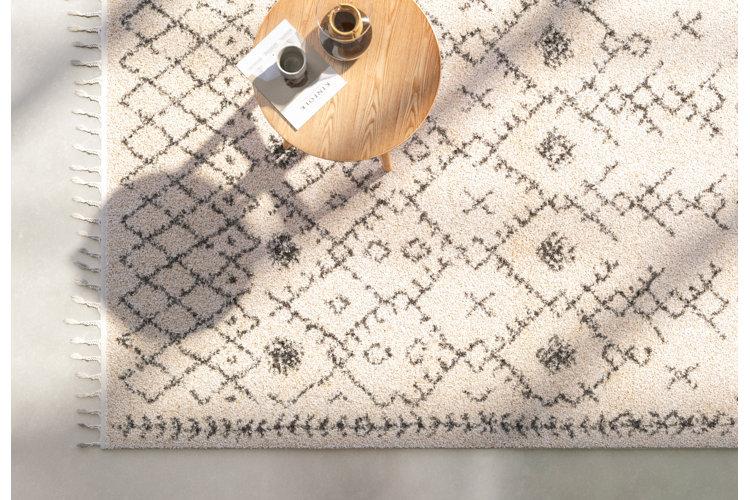
The right rug can transform an entryway, balance a bedroom, bring comfort to an open space, and enhance your existing home aesthetic. Curious about which rug weave would work best for you? Keep reading below for more info on rug weaving techniques or skip ahead to learn more about choosing the right rug.
Rug Weaving Techniques + Benefits
How to Choose a Rug Weave
Rug Weaving Techniques + Benefits
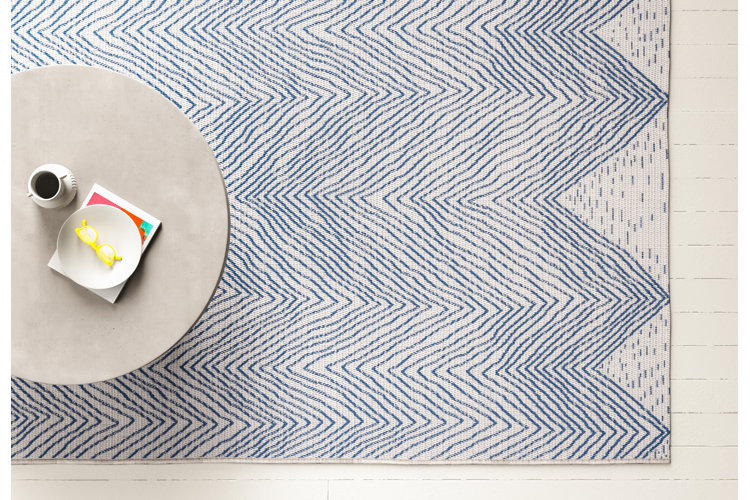
Narrow down your rug search by reviewing the different types of rug weaving to decide which one works best for your needs.
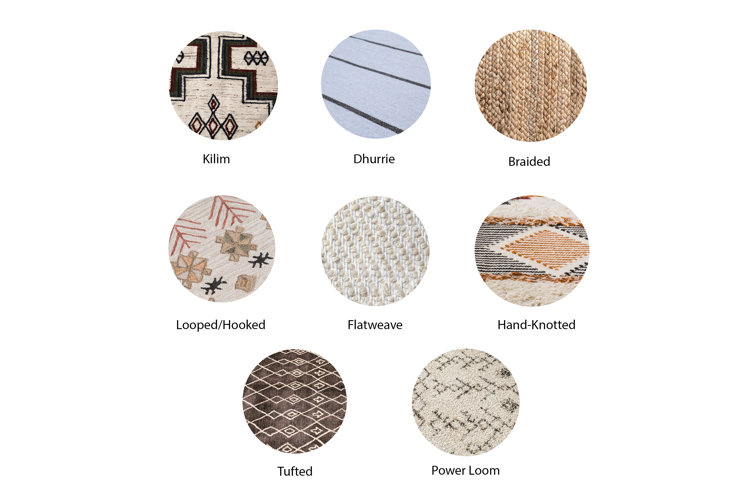
Tufted
Prioritize fresh designs and intricate detail with a tufted rug weave. Tufted rugs start out with a backing material like cotton, jute, polyester, or canvas. The backing material is simply a large piece of fabric through which artisans or machines can weave fabric to create the desired look and pattern. Then artisans or machines create small tufts of fabric by weaving loops through the backing material. These tufts are then sheared to create the right pile density (the thickness or height of the fabric that comes out of the backing material). Tufted rugs may vary in price depending on whether they’re handwoven or machine-woven, with machine-woven being more affordable.
Due to the intricate looping of fabric, pieces of fabric may come undone overtime, but they’re typically very durable for low-traffic areas. They also have a higher pile than other types of weaves, making them the perfect thickness for your living room floor or bedside.
Power Loom
Ensure quality and affordability with a power-loom rug. This is a machine-made rug weaving technique that uses a power loom to create rug weaves via programmed instructions. Because machines make the process faster, power-loom rugs tend to be more affordable while also maintaining high-quality weaves. Power-loom rugs made with wool, polyester, cotton, and synthetic materials can go in either high-traffic or low-traffic areas in your home.
Flatweave
Transform high-traffic areas of your home with a flatweave rug. In contrast to pile rugs, flatweave rugs don't have a backing material and instead get woven vertically on a rug-weaving loom. This means flatweave rugs don’t have tufts of yarn sticking out, which makes them preferable for hallways, entryways, or the path to your refrigerator. As an added bonus, the lack of backing material makes flatweave rugs reversible, giving you double the flexibility for the price.
Pro Tip:
Because flatweave rugs aren’t made using a backing material, they can be a bit slippery. Place a rug pad beneath your flatweave rug to secure it in place.
Dhurrie
Maximize comfort by considering a dhurrie weave for your space. A traditional weave pattern from India, dhurrie rugs are flatweave rugs usually made with wool or cotton for a thin, lightweight finish. Dhurrie rug weaves mostly come in muted colors or pastel shades, making them great for a subtle touch of color or for neutral-toned rooms. Hard-working wool and cotton dhurrie rugs work well in high-traffic areas in your home.
Kilim
Achieve the bold color palette you want with kilim rugs. Another flatweave option, kilim originates from Turkey and is known for its bright colors and bold patterns. You can place kilim rugs in both low-traffic areas like your bedroom or high-traffic hallways and kitchen floors due to the fact that they have no pile (making them thin and easy to walk over).
Hand-Knotted
Make a bold statement with a hand-knotted area rug. Professional weavers use their rug-making skills to craft hand-knotted rugs by adding small knots of fabric to the backing material. These small knots eventually form intricate designs and patterns. Because hand-knotted rugs take time and care to make, they cost more than other types of rug weaves. However, the quality and unique details make hand-knotted rugs extremely durable and preferable for a long-lasting statement piece in your home. Place these rugs in low-traffic areas for the best results.
Looped/Hooked
Add new texture and detail to your space by going with a looped/hooked rug. These rugs are made by taking yarn through the backing material to create small loops or "hooks" which resemble individual knobs of fabric upon completion. Because this type of rug weave creates small loops or hooks, these rugs are better suited for your living room or bedroom instead of high-traffic areas like an entryway or your dining room where chairs get moved around daily.
Braided
Give your modern farmhouse a refresh with a braided rug. Individual strands of fabric get braided together and then the braided strands are stitched into unique patterned rugs. Materials like wool or jute are typically used for braided rugs, making them great for both high-traffic areas or low-traffic lounge spaces.
Pro Tip:
To find a specific weave pattern on AllModern, look under the "Technique" filter on the left-hand side of the product page for a certain rug type.
How to Choose a Rug Weave
Figure out the best type of rug weaves for your living space by reviewing the list of considerations below.
1. Consider Your Budget
Determine a comfortable budget for your next rug purchase to determine which rug weaves you'll be able to consider. Flatweaves and power-loom rugs are great options if you want a good-quality, durable rug at a lower price point, whereas hand-knotted rugs cost more but provide you with high-quality, detailed designs.
2. Think About Rug Placement
Give your rug the best chance to last a long time by deciding where you want to put your rug. High-pile tufted rugs may work well for your bedroom or living room, whereas flatweave or power-loomed rugs can withstand lots of foot traffic in hallways, entryways, or kitchens.
3. Work With Your Current Color Palette
Select the right rug color and weave pattern to enhance your existing home aesthetic. A burnt orange runner rug with a Southwestern pattern contrasts well with white kitchen cabinets and furniture. Similarly, a braided or hand-knotted rug in a neutral cream color can add another dimension to your white bedroom or living room while keeping things light and bright.
4. Decide on a Rug Material
Match the right rug material to your space for long-lasting enjoyment. A polyester rug material creates a great stain-resistant option for kitchens or dining rooms while nylon or flatweave wool rugs hold their shape, making them preferable for high-traffic spots in your home.
Pro Tip:
To search by rug material on AllModern, click on a rug category (area rugs, runner rugs) and then find the material filter to the left of the product selection.
5. Mix + Layer Rugs
Embrace modern bohemia by choosing rug weaves you can easily mix and layer for maximum comfort and design. Two tufted area rugs can overlap with one another to create the ultimate bohemian living space, while a large flatweave rug in a neutral shade like beige or cream contrasts well with a small hand-knotted rug in a bold color to go beneath your coffee table.
Pro Tip:
Learn more about how to successfully layer rugs in our guide How to Layer Rugs for Modern Style.
Ready to find the best rug weave?
