Linen vs. Cotton: A Simple Guide
Let's settle the debate once and for all.
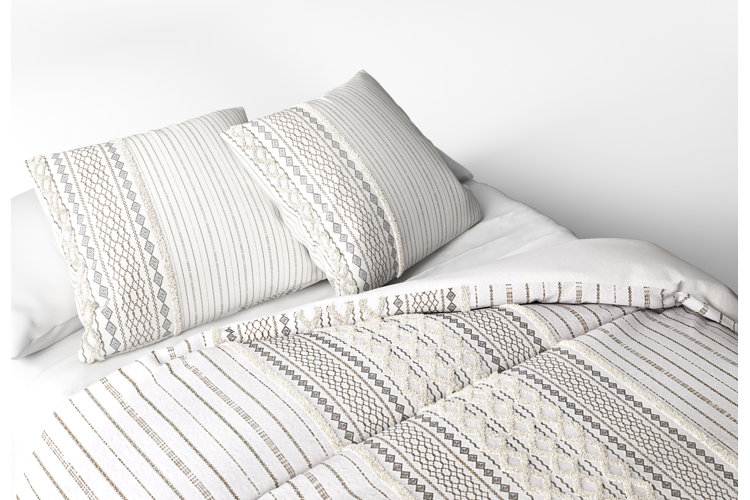
In the market for new sheets, an accent chair, a sofa, or headboard? You've probably seen plenty of linen and cotton options, but if you're confused about the difference between linen vs. cotton, you've come to the right place. We're here to answer questions like “What is linen?” and “What is cotton?” with expert tips in an easy-to-understand layout. Check out our insight below.
What Is Cotton?
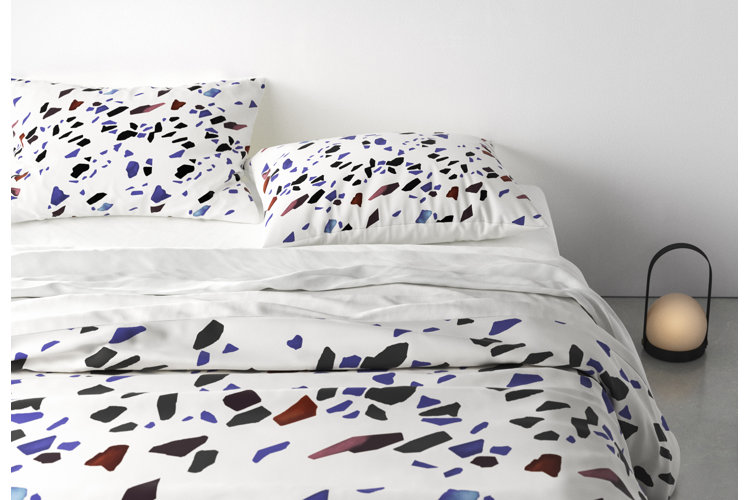
What is cotton? Cotton is a staple fiber that's versatile, soft, and comfy. A staple fiber is made of varying lengths of material. Cotton is made from the fluffy, cloud-like part of a cotton plant. It comes in many varieties, weaves, and price points. Cotton is very breathable and durable, and it gets softer with each wash. However, it can wrinkle easily and shrink in the wash, and it is less durable than other fabrics – like linen.
Caring for Cotton
Cotton fabric sheets, bedding, and towels can be washed in warm or cold water on a normal cycle and then tumble-dried on a low setting. For cotton-upholstered sofas or accent chairs, use the upholstery attachment and vacuum left to right, starting from the top and working toward the bottom. If you have spots on cotton upholstery, sprinkle them with baking soda. Let the baking soda sit for 20–30 minutes and then rub the powder into the fabric with a dry cloth. Vacuum away any remaining residue. If there are still noticeable spots, pour a 1/2 teaspoon of clear dish soap into a small bowl of warm water. Dip a soft upholstery brush into the suds and then sweep along the cotton in small sections.
What is linen? Linen is a strong, lightweight fabric that's made from flax plants. It's a natural fiber that is extracted from the flax plant, harvested, and then stored for a long time to make it super soft. Linen textiles are about 30% stronger than cotton, very durable, antistatic, highly breathable, environmentally friendly, and hypoallergenic. The downside? It's more expensive than cotton, not available in as many colors as cotton, can wrinkle easily, and is kind of coarse and rough when it's new.
Caring for Linen
Linen sheets, bedding, and towels should be washed in cold water on a gentle cycle. Tumble dry on the delicate setting with low heat. To clean a linen sofa or accent chair, first vacuum left to right to pick up any loose dirt or crumbs, starting from the top and working toward the bottom. Then spot-clean stains with a water-based detergent or baking soda and a clean white cloth or light-colored piece of flannel. Dab at the stains (don't soak them) to lift away. Let the sofa fully dry before vacuuming it again or relaxing on it. If the stain is very bad, you may need to have the sofa cushions dry-cleaned.
What's the difference between linen vs. cotton? How can you choose between the two for your sheets, comforter, sofa, or accent chair? Check out how they compare below.
Feel
Right off the bat, you'll notice that cotton is softer than linen because cotton fibers are softer than flax. Cotton sheets are super soft and luxurious right out of the packaging, while linen becomes softer over time (and after many washes). Cotton sheets last about five years, while linen sheets can last up to 20 years with proper care – yes, you read that right!
Durability
Not only do linen sheets, blankets, and furniture pieces last longer, they are also more durable. Cotton sheets are stretchy and flexible, while linen wins for being the most durable. Again, this is because of the flax fibers that make up linen sheets. Linen fibers have a slightly longer fiber length and get wrapped more tightly than cotton fibers, so they are stronger and more durable, meaning they will outlive cotton.
Durability with Kids + Pets
If you have kids and pets, cotton is a great material for dining chairs, sofas, and ottomans. It wears well with very little fading. Consider purchasing a stain-resistant finish and spraying cotton pieces often. Linen is harder to upkeep when pets and kids are involved because it soils easier than cotton. However, linen doesn't pill or fade easily, so you don't have to completely forgo it if you love it.
Texture
Cotton is smooth, while linen is textured. This is because of linen's looser weave. You'll notice that because the fibers aren't as strong, cotton textiles pill more quickly than linen textiles do. While both cotton and linen look wrinkly, linen wrinkles a little bit more because the fabric is stiffer.
Warmth + Breathability
Cotton doesn't conduct heat and it has a similar insulation to fiberglass (the material used to insulate homes), so cotton sheets will keep you nice and toasty. Alternatively, linen fibers are hollow, meaning they'll keep you cooler. If you are looking for new sheets, linen is great for summer, but you'll definitely need to layer up in cooler months.
Cotton and linen can both be breathable depending on the weave of the fabric (and not based so much on fibers). Flax linen fibers are hollow, so air and water circulate through flax easily. Cotton fibers can be breathable, but some weaves like denim and canvas are super thick, making them less breathable.
Hypoallergenic
Both cotton and linen are hypoallergenic, meaning the furniture or duvet cover you choose won't be likely to cause an allergic reaction. Linen is slightly better for people with allergies because it has a lower thread count and a looser weave, meaning it's less likely to pick up and trap dust.
Moisture Wicking
Cotton and linen are both very absorbent and water wicking. Cotton is a bit more absorbent than linen, because it can hold more than 25% of its weight in water while linen can only hold about 20%. Linen has a natural water-wicking ability, meaning it draws moisture out of skin and then dries quickly. Cotton can wick moisture as well, but it doesn't have the same natural wicking quality that linen has.
Pro Tip:
Keep in mind that because of linen’s moisture-wicking capability, you should avoid using fabric softener on linen because it interferes with the fabric's finish. Let linen do its thing and soften (naturally) over time.
As you can see, there are pros and cons to both cotton and linen and not just one fabric that works for everyone's apartment or lifestyle.
Ready to shop?
