3 Colors
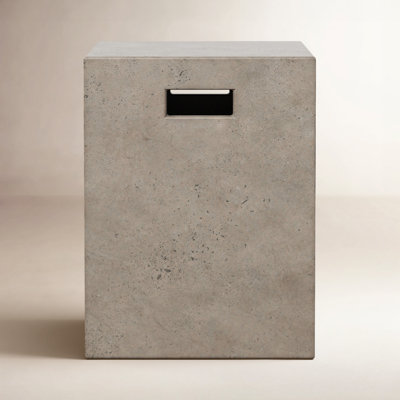
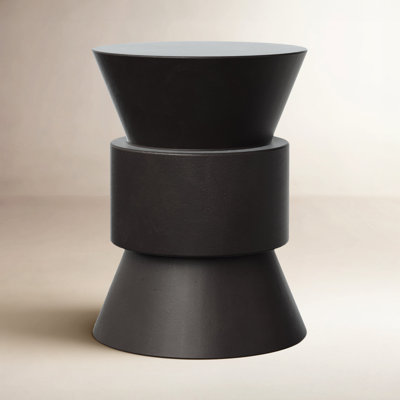
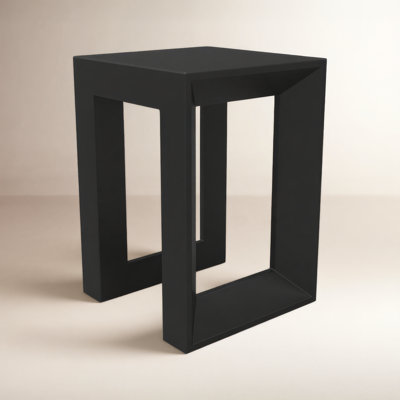
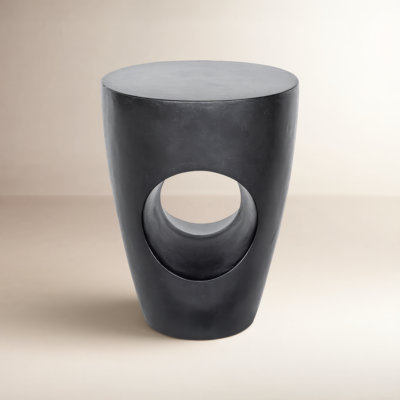
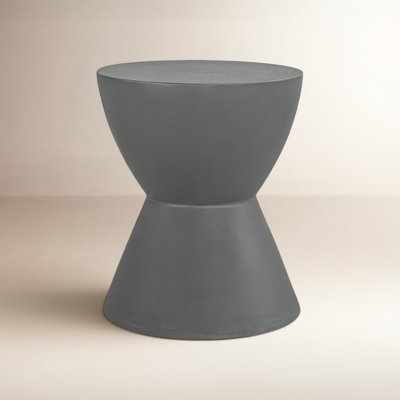
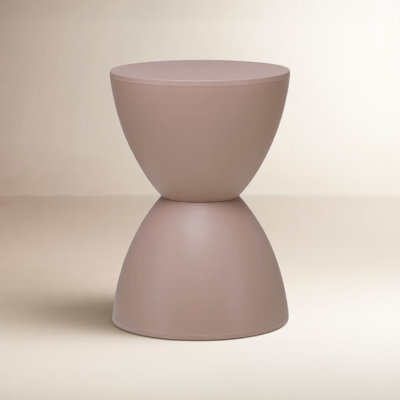
With its strong hourglass silhouette, this sculptural accent stool elevates your indoor or outdoor seating area. It’s built from a durable + lightweight concrete-fiber blend that stands up to storms and spills. Use it as seating, surface space, or a substantial plant stand.
Good size, great modern look and nice terra cotta color. Small chip on lip of top but not worth returning due to the weight of the table.. Holly. Cedar Park, TX. Tue Apr 07 2026
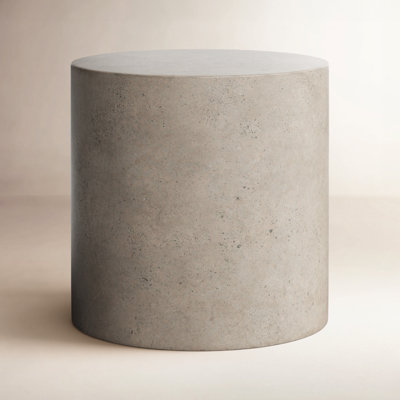
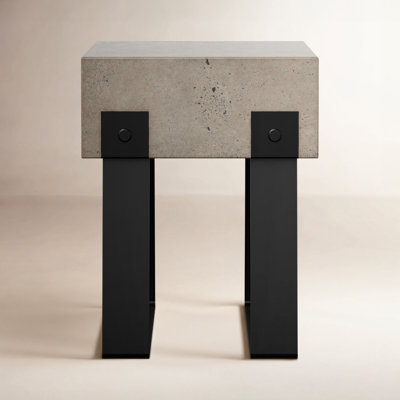
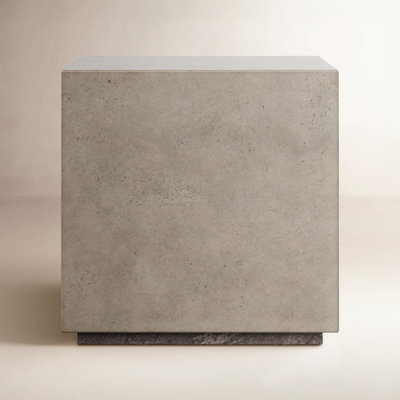
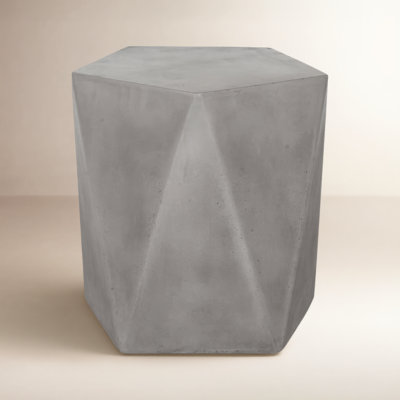
Concrete Pedestal End Table
Dark Gray, 15.75" H x 15.75" W x 15.75" D
Rated 4.6 out of 5 stars.8 total votes
3 Colors, 2 Sizes
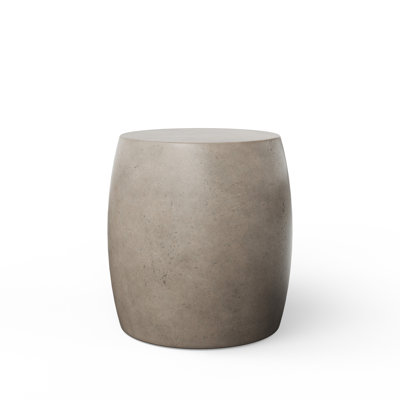
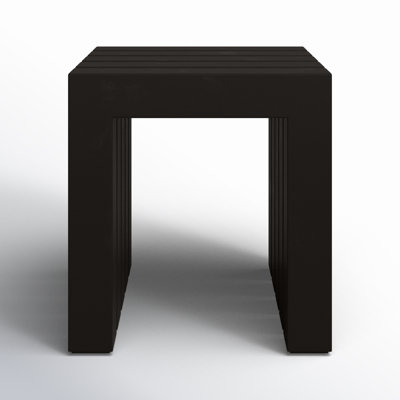
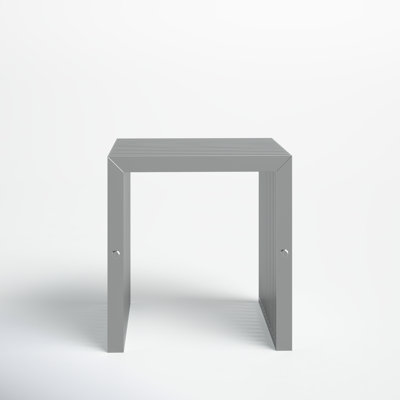
This round concrete pedestal table brings modern, industrial vibes to any space with its sleek, minimalist design. Crafted from durable concrete, it is weather-resistant, making it suitable for both indoor and outdoor use. The table’s smooth, round surface and solid pedestal base give it a refined yet understated look that fits effortlessly into any room style. Its tone complements various color schemes, allowing it to blend seamlessly or stand out as a centerpiece. Perfect for dining rooms, patios, entryways, or lounges, this table combines simplicity with strength for versatile, long-lasting appeal.
Beautiful solid piece - great finish. Anonymous. New Rochelle, NY. Tue May 05 2026
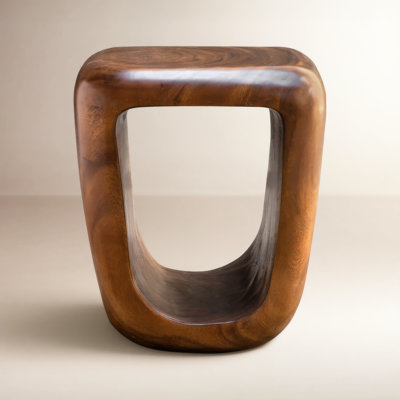
Alpine Solid Wood Accent Stool
Rated 4.5 out of 5 stars.139 total votes
Free Fast Delivery
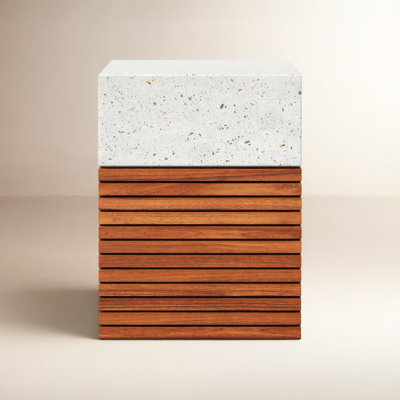
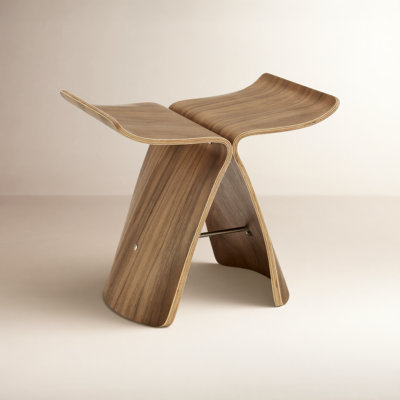
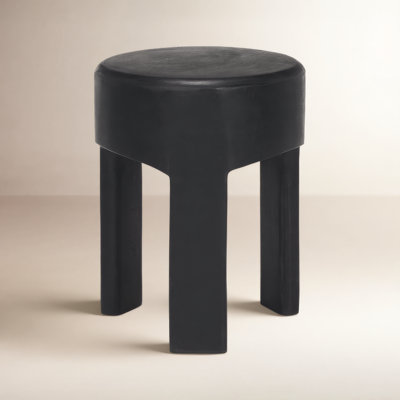
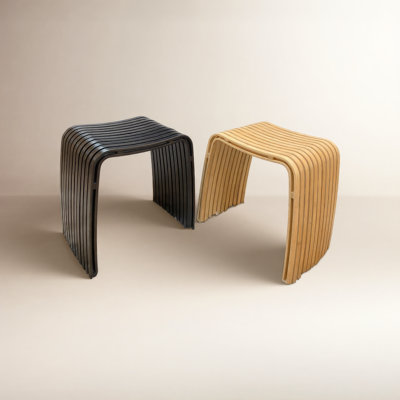
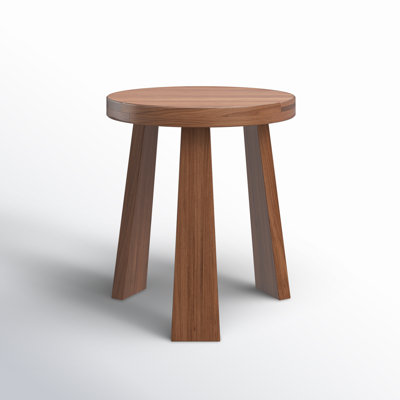
Organic curves + negative space. Crafted from solid suar with a polished finish, this accent stool’s smooth, undulating form serves as a showcase for its rich natural wood grain. It doubles as an end table, and triples as an eye-catching sculptural focal point.
This is an even better than expected piece of furniture in person than the pictures suggest! We are using it as a side table and it is GREAT!. Bryson. Carrollton, TX. Tue Apr 21 2026

Free Fast Delivery
4 Colors
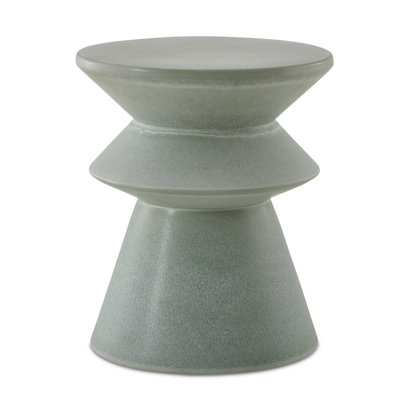
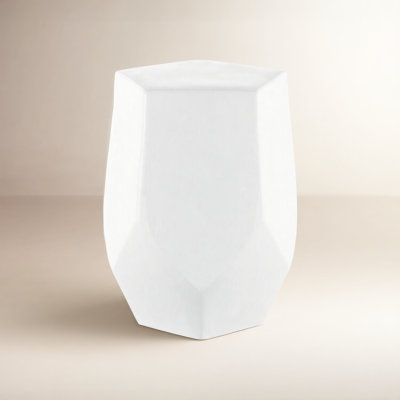
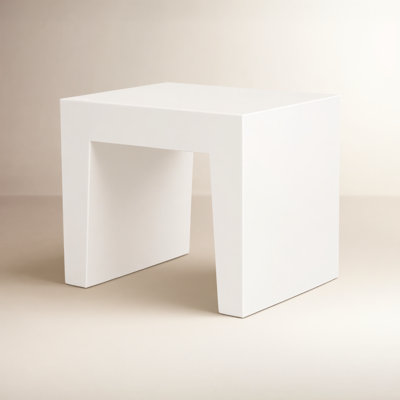
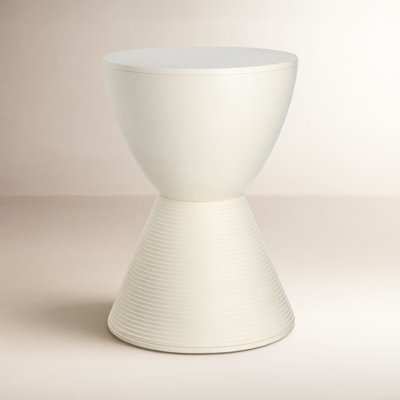
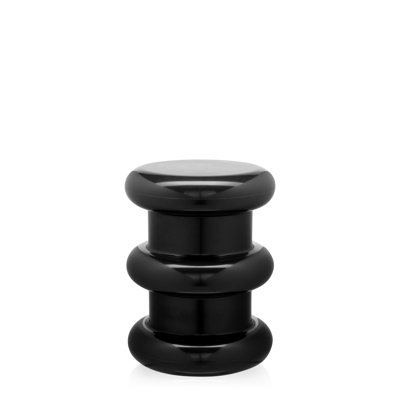
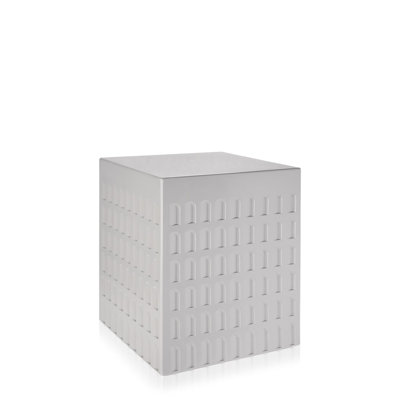
Whether the perfect perch when seating's scarce or a striking side table stand-in, accent stools like this one make for handy touch for rounding out your ensemble with an eye-catching style. Perfect for a modern look in any room, this stool features an hourglass silhouette with a solid-hued finish. Crafted from plastic with a textured base, this piece is water-resistant, so it doubles as an accent on your patio or deck.
I bought 3 in black for my patio. Love the design and versatility as stool or table. Lightweight enough to easily be moved wherever we need them. Exceeded expectations for look. Very stylish and elegant. Barbara. Sarasota, FL. Wed Nov 06 2024
3 Colors
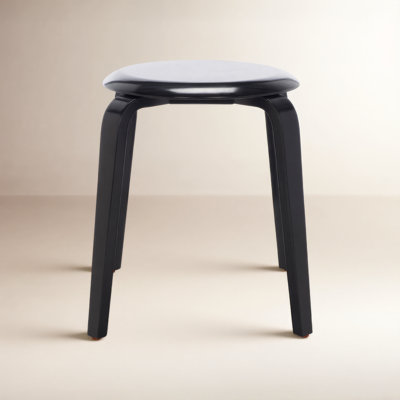
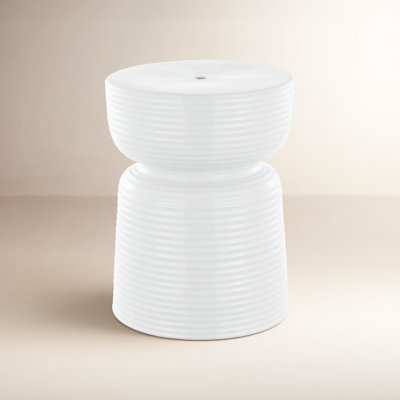
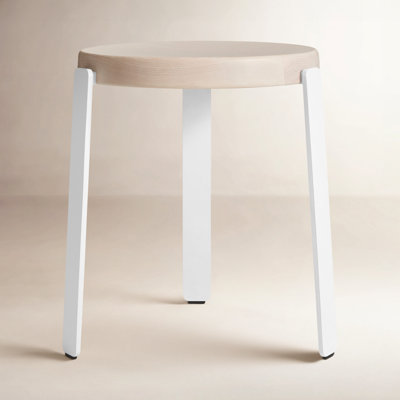
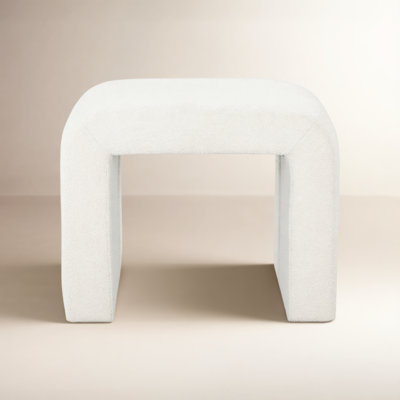
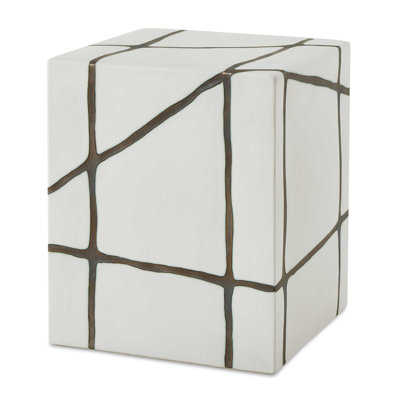
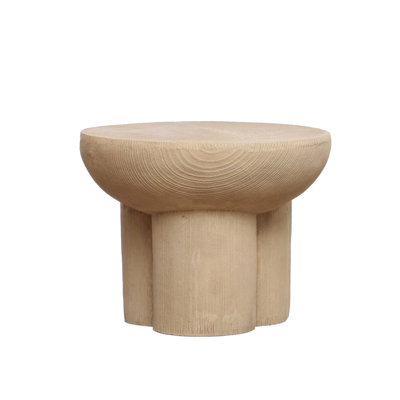
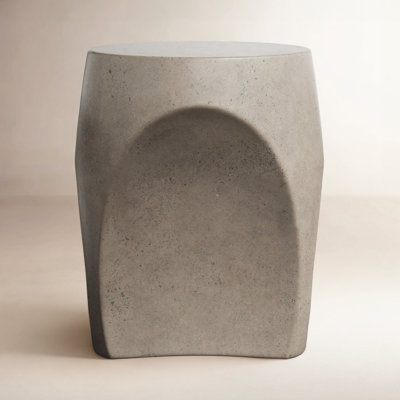
This sleek, round stool features a smooth, minimalist design with subtle arching details along its base. Crafted with a contemporary aesthetic, it serves as both a functional seating option and a stylish accent piece. The stool’s sturdy construction makes it suitable for indoor or outdoor use, providing versatile placement options. Its neutral tone easily complements a variety of decor styles, from modern to industrial. Perfect for living rooms, patios, or entryways, this stool adds a touch of understated elegance to any space.
This stool is very nice. The packaging for the stool was very good. Thick baffled cardboard all around including top and bottom and it was wrapped in that thin foam material. It is kind of heavy which I appreciate because it won’t be blown over. You can use it for a stool or for a small table next to a lounger or chair by the pool. The light color is nice and won’t get so hot in the Florida sun. I would recommend this stool!. Heidi-lyn. Vero Beach, FL. Sat Dec 21 2024
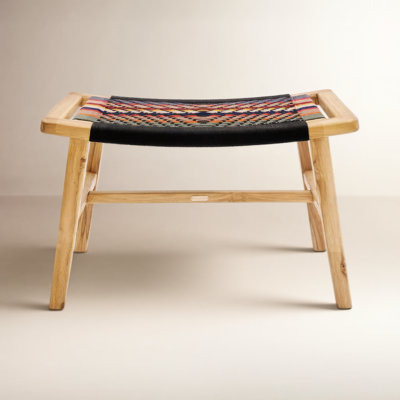
3 Colors
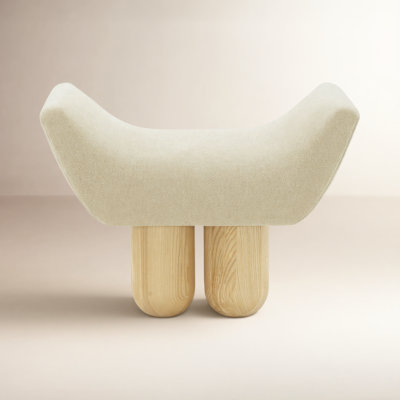
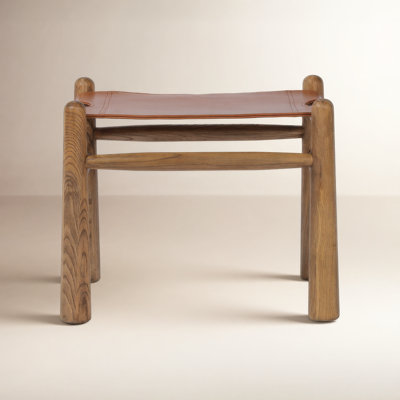
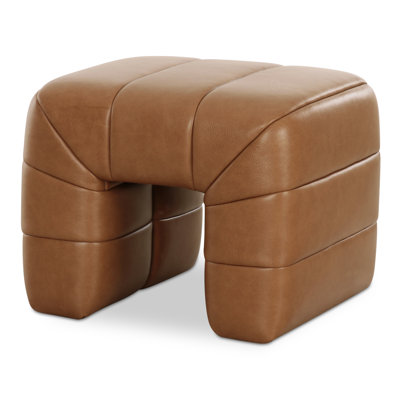
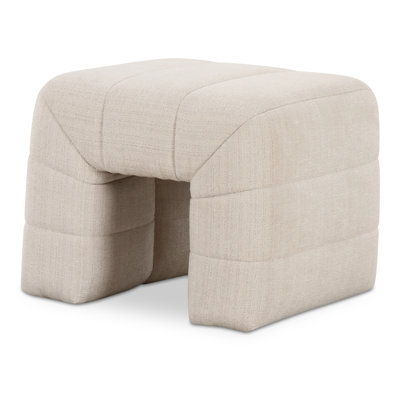
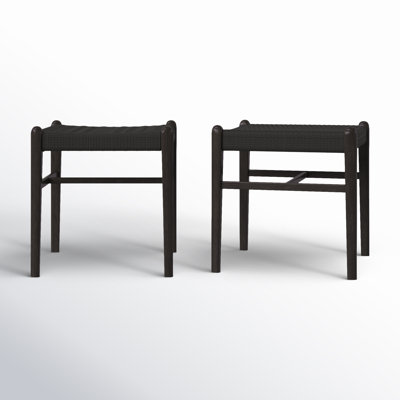
Complete your seating area with the Masaya Ottoman, crafted from reforested wood. This sustainable, versatile piece offers comfort, style, and a touch of eco-friendly elegance.
Ordered the rocking chair and the ottoman in the natural stain. The rocking chair came with coffee stained wood but the ottoman came in natural. Decided to keep the chair but had to return the ottoman because it didn’t match the chair. The ottoman wasn’t available in with the coffee stained wood so I had to return it. Wayfair waived the return fee and I received a full refund. I was able to order the ottoman directly from Masaya Co.. Ann. Merrimac, MA. Tue Mar 24 2026